





Is Protein Powder Safe During Pregnancy? What Every Mom Needs to Know
Attention Moms!!! Did you know protein powder can make your baby smaller and cause early delivery?
Many expecting mothers often ask, “Is protein powder safe during pregnancy?” While it is common for women to look for ways to increase their daily intake, relying on concentrated supplements can sometimes lead to health challenges. At KCJ Hospital, we believe in the power of whole foods to support you and your baby.
Many women believe that taking protein powder will make their baby stronger. But that’s not the truth. Excess proteins can harm…beware!!
The Risks of Using Protein Powder During Pregnancy While protein is an essential building block, a single scoop of commercial powder is highly concentrated. When taken in excess, this can create metabolic stress. Because the mother’s liver and kidneys are already working harder, high nitrogen waste from excess protein can be difficult to process. Furthermore, some studies suggest that these metabolic products may cross the placenta, potentially putting pressure on the developing baby’s immature organs. It is important to remember that not all protein is the same.
Another concern is that many commercial protein powders contain artificial sweeteners, flavouring agents, stabilizers, and preservatives to improve taste and shelf life. These additives are not ideal for regular consumption during pregnancy.
Even the best protein powders are incomplete nutrition. They mainly provide protein alone, while babies grow best when nutrients come together in natural foods containing vitamins, minerals, fibres and healthy fats.
The good news is that most pregnant women can easily meet their protein requirement through diet.
Typical daily protein needs are approximately:
• ~45 g/day in the first trimester
• ~60–70 g/day in the second and third trimester
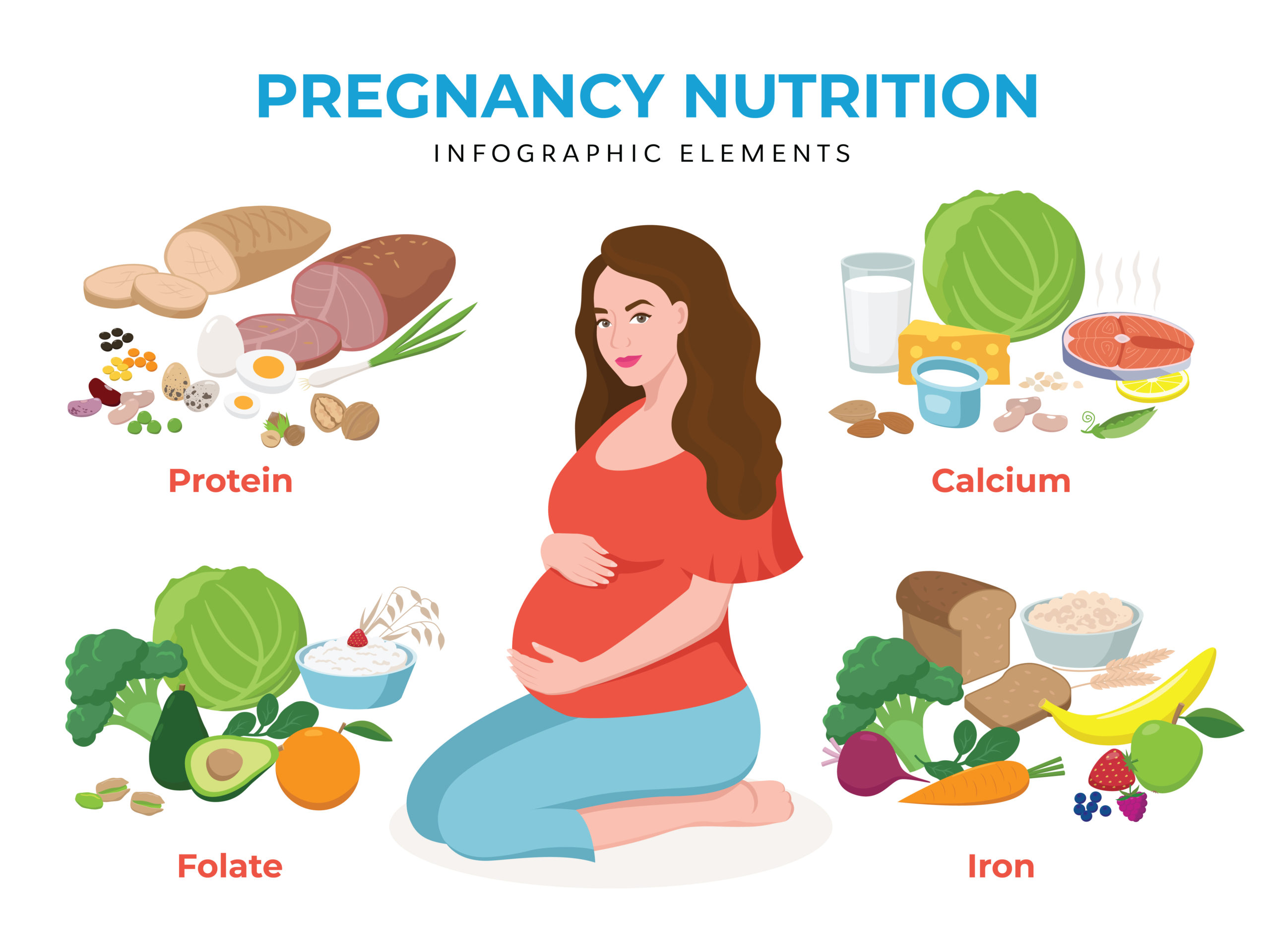
This can be achieved through simple foods such as:
🥛 Milk and curd
🥚 Eggs
🧀 Paneer and cheese
🌱 Pulses and legumes
🥜 Groundnuts, almonds, sprouts
In fact, very high protein intake (above ~100 g/day) may lead to digestive discomfort, nausea, and indigestion, and can increase metabolic stress on the body.
Some people think that if a mother is experiencing nausea or vomiting, protein powder may help her “get some nutrition.” However, the additives in many powders can actually worsen nausea, indigestion, and abdominal discomfort.
During pregnancy, the goal is balanced nutrition — not concentrated supplements.
👶 Remember:
Protein powders are designed to build muscles in athletes… not babies in the womb.
Real food builds healthier babies.