



Frequent Use Of I Pill Can Cause Menstrual And Bleeding Irregularities
Regular & Frequent Use of I-Pill: Menstrual & Bleeding Irregularities
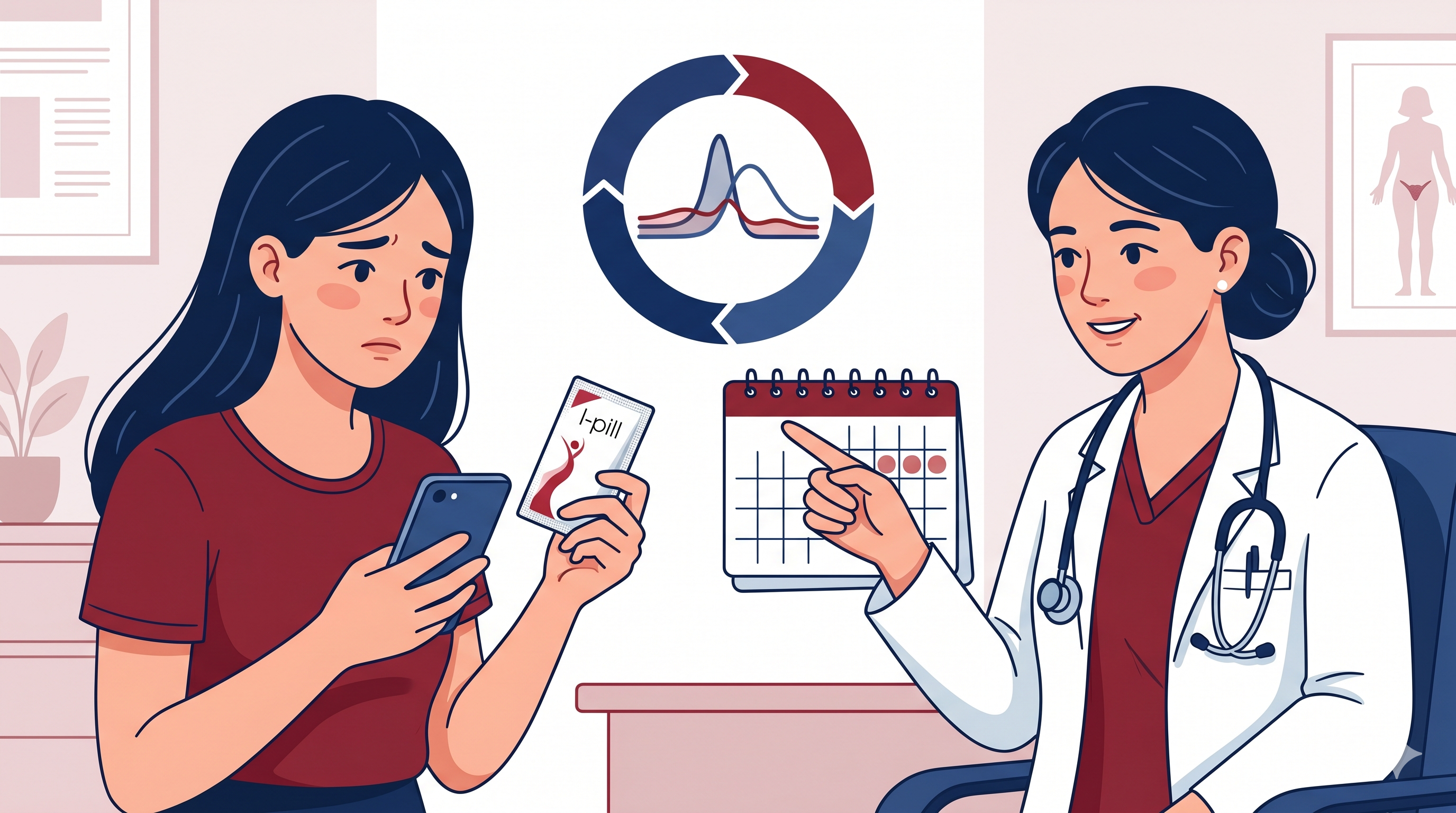
An emergency contraceptive pill (commonly known as an i-Pill) is a powerful tool designed strictly for unexpected situations—such as a condom slipping, a condom rupturing, cases of sexual assault, or when backup contraception is urgently required.
However, because it contains a highly concentrated dose of synthetic hormones, it is meant only for emergencies. Regular and frequent use of the i-Pill can create massive hormonal chaos, leading to highly irregular periods, severe bleeding disturbances, and unexpected difficulties when you later try to conceive.
Here is exactly what happens to your body when emergency contraception is used too frequently.
What Problems Are Caused by Frequent i-Pill Usage?
Using emergency contraceptive pills frequently introduces a massive rush of artificial hormones into your bloodstream all at once. This repeated shock to your reproductive system can lead to several distinct health complications:
1. Severe Hormonal Disruption
The exceptionally high dose of hormones in an emergency pill temporarily overrides your body’s natural chemistry. This creates a ripple effect across two primary areas:
- Ovulation Complications: It severely alters your normal ovulation timeline. Over time, this unpredictable shifts your fertile window, making natural conception difficult to track or achieve.
- Endometrial Lining Damage: It disrupts the natural formation and structural maintenance of your endometrial lining (the inner wall of the uterus). This breakdown is the root cause of breakthrough bleeding and highly erratic cycles.
2. Chaotic Menstrual Irregularities
While a single i-Pill can cause temporary shifts, frequent usage triggers a state of ongoing hormonal chaos. Women often experience:
- Periods arriving significantly earlier or much later than expected.
- Unpredictable spotting midway between regular cycles.
- Menstrual flow that is suddenly much heavier or unusually lighter than their historical norm.
3. Irregular & Unexpected Breakthrough Bleeding
Frequent users often suffer from sudden, random bleeding episodes that bear no relation to their actual menstrual calendar. Because these erratic episodes look exactly like a light period, they can cause immense confusion, tracking difficulties, and severe emotional anxiety.
4. Reduced Reliability & The Risk of Hidden Pregnancies
An i-Pill is not 100% reliable, especially when taken frequently. The massive hormone rush often causes severe nausea or gastric upset. If vomiting occurs, the body suffers from poor absorption of the medication, which can cause the emergency pill to fail completely.
Even worse, due to frequent breakthrough bleeding, many women mistakenly assume they are having a normal period when an unplanned pregnancy is actually continuing silently. Discovering a pregnancy late forces women to undergo abortions at a higher gestational age, which carries significantly higher medical risks.
5. Long-Term Impact on Fertility
Because frequent emergency pill consumption keeps your baseline hormones in constant flux, your ovaries may stop releasing eggs on a predictable schedule. This irregular ovulation pattern poses a major roadblock when you decide to intentionally plan a family.
Why Regular, Low-Dose Contraceptive Pills Are a Better Option
If you require ongoing, reliable protection against unplanned pregnancies, regular low-dose contraceptive pills are a vastly superior and safer alternative.
- Vastly Lower Hormone Doses: Even when consumed consecutively over a 21-to-24-day cycle, the cumulative hormonal impact is significantly lower than the single, concentrated shock-dose contained in just one i-Pill.
- Protects Your Cycle: Instead of causing disruption, daily low-dose pills actively stabilize and balance your hormonal system, completely eliminating unpredictable breakthrough bleeding.
- Supports Future Fertility: By normalizing and regulating your body’s internal hormonal baseline, low-dose contraceptive pills actually increase your overall chances of successful conception shortly after you choose to stop taking them.