


Whatsapp Message

Book Appointment

Online Consultation

Is Protein Powder Safe During Pregnancy? What Every Mom Needs to Know

Attention Moms!!!  Did you know protein powder can make your baby smaller and cause early delivery?

Many expecting mothers often ask, “Is protein powder safe during pregnancy?” While it is common for women to look for ways to increase their daily intake, relying on concentrated supplements can sometimes lead to health challenges. At KCJ Hospital, we believe in the power of whole foods to support you and your baby.

Many women believe that taking protein powder will make their baby stronger. But that’s not the truth. Excess proteins can harm…beware!!

The Risks of Using Protein Powder During Pregnancy While protein is an essential building block, a single scoop of commercial powder is highly concentrated. When taken in excess, this can create metabolic stress. Because the mother’s liver and kidneys are already working harder, high nitrogen waste from excess protein can be difficult to process. Furthermore, some studies suggest that these metabolic products may cross the placenta, potentially putting pressure on the developing baby’s immature organs. It is important to remember that not all protein is the same.

Another concern is that many commercial protein powders contain artificial sweeteners, flavouring agents, stabilizers, and preservatives to improve taste and shelf life. These additives are not ideal for regular consumption during pregnancy.

Even the best protein powders are incomplete nutrition. They mainly provide protein alone, while babies grow best when nutrients come together in natural foods containing vitamins, minerals, fibres and healthy fats.

The good news is that most pregnant women can easily meet their protein requirement through diet.

Typical daily protein needs are approximately:
~45 g/day in the first trimester
~60–70 g/day in the second and third trimester

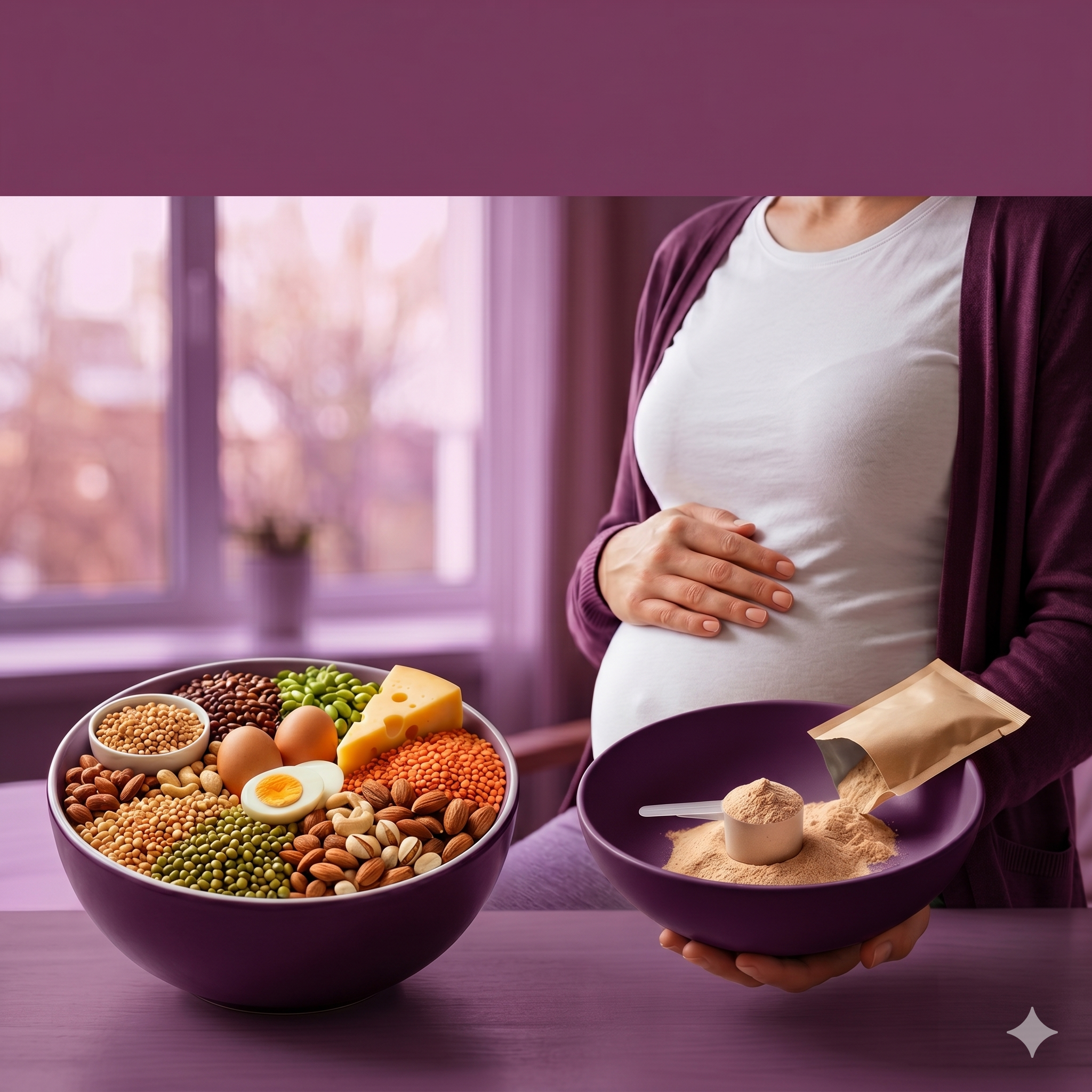
This can be achieved through simple foods such as:

🥛 Milk and curd
🥚 Eggs
🧀 Paneer and cheese
🌱 Pulses and legumes
🥜 Groundnuts, almonds, sprouts

In fact, very high protein intake (above ~100 g/day) may lead to digestive discomfort, nausea, and indigestion, and can increase metabolic stress on the body.

Some people think that if a mother is experiencing nausea or vomiting, protein powder may help her “get some nutrition.” However, the additives in many powders can actually worsen nausea, indigestion, and abdominal discomfort.

During pregnancy, the goal is balanced nutrition — not concentrated supplements.

👶 Remember:
Protein powders are designed to build muscles in athletes… not babies in the womb.

Real food builds healthier babies.
Age and Fertility: What Every Woman Should Know About Pregnancy

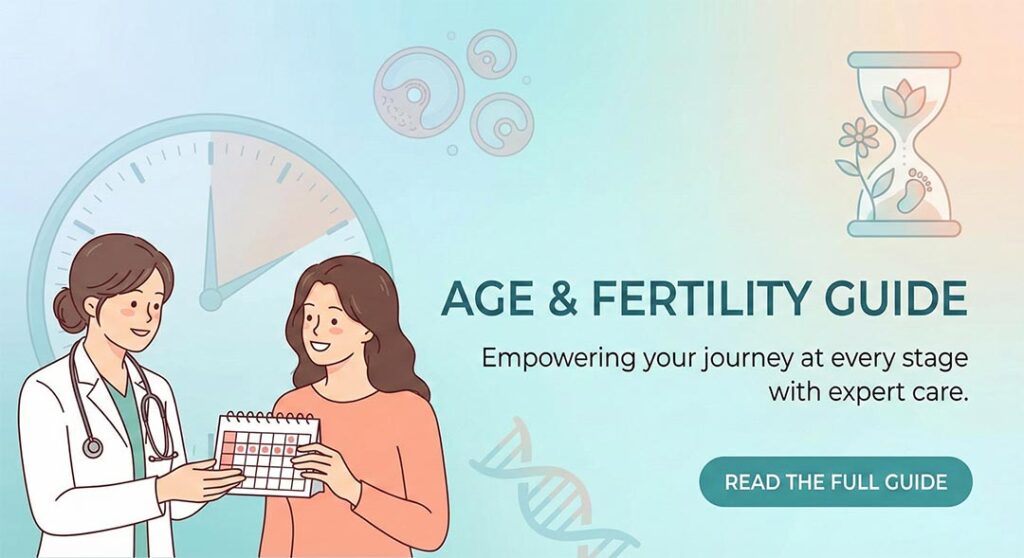
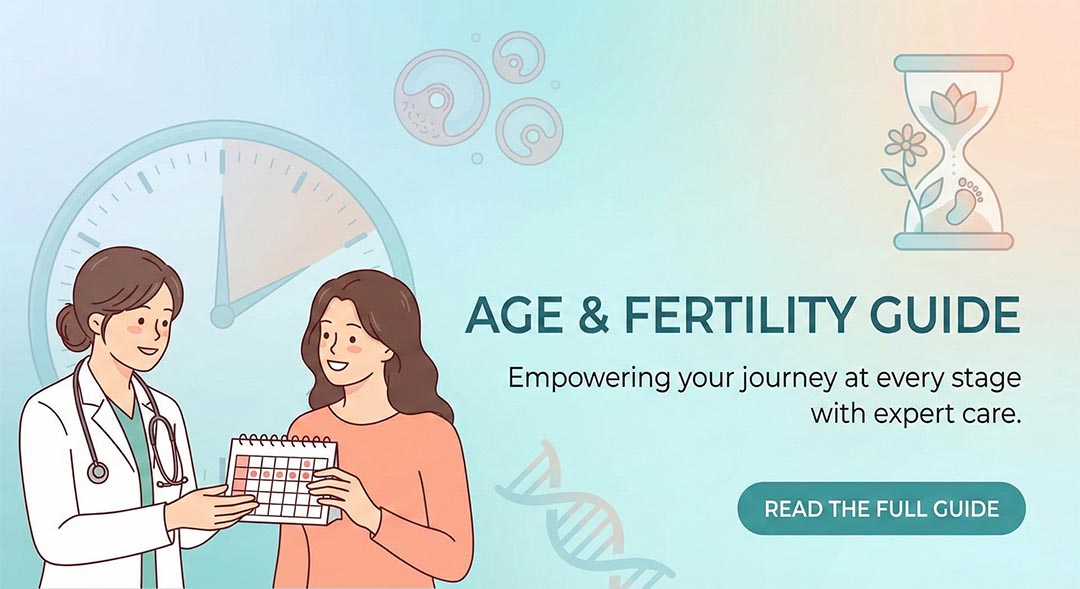
Understanding the relationship between age and fertility is essential for today’s ambitious, career-oriented woman. Gen Z is focused and rightly so; many women do not want marriage or pregnancy to interrupt their professional growth. To avoid uncertainty, many undergo fertility tests like AMH (Anti-Müllerian Hormone) and Antral Follicle Count (AFC).

However, when these reports come back “normal,” it is often assumed that pregnancy can safely be delayed—that fertility will remain the same for a few more years. This is a common misconception that needs medical clarity.

The Science: Quantity vs. Quality

The most important thing to remember is that numbers don’t tell the whole story.

  • AMH and AFC tell us how many eggs are left (Quantity).
  • Age decides how healthy those eggs are (Quality).

That’s why a 23-year-old woman and a 29-year-old woman with the same AMH and AFC do NOT have the same fertility outcome. The younger woman inherently has higher chances of natural conception, lower chances of miscarriage, and significantly better embryo quality.

Why “Wait and See” Can Be Risky

With increasing age, even if egg numbers look good on reports, egg quality declines silently. This biological decline can lead to:

  1. Unexplained Infertility: Difficulty conceiving despite “normal” reports.
  2. Repeated IVF Failures: Older eggs often struggle to develop into healthy embryos.
  3. Increased Miscarriage Risk: Genetic abnormalities in eggs increase as we age.

Is Egg Freezing the Answer?

Technology is a marvel, but it cannot always defeat biology. Egg freezing is a valuable option in special medical situations—such as before chemotherapy or radiotherapy—where eggs are at risk of sudden damage.

However, for healthy women, freezing eggs is not a simple insurance policy. It is invasive, expensive, and emotionally taxing. Most importantly, it cannot “freeze” egg quality in the same way the human body protects fertility when it is young and healthy.

Fertility FAQs: Understanding Your Reproductive Health

1. Can a high AMH level guarantee pregnancy at age 35? Not necessarily. While a high AMH suggests a good “egg reserve,” it does not account for the genetic quality of those eggs, which naturally declines with age.

2. What is the best age for a healthy pregnancy? Biologically, the late 20s and early 30s offer the highest chances of natural conception and the lowest risk of complications.

3. Does lifestyle affect age and fertility? Yes. While age is the primary factor, habits like smoking, high stress, and poor diet can accelerate the decline of egg quality.

4. Can I rely on my AMH level alone? No. While AMH indicates your egg reserve, it does not reflect the genetic health of the eggs.

5. Is there a specific test to check “egg quality”? Currently, there is no single blood test like AMH that can definitively measure egg quality. Medical professionals use age and fertility statistics as the most reliable indicator of quality, as egg health is primarily determined by biological age.

6. Can lifestyle changes improve my fertility if I am over 30? While you cannot reverse the biological clock, maintaining a healthy BMI, quitting smoking, and reducing alcohol consumption can help optimize your current reproductive health and support better outcomes during pregnancy.

Preventive Reproductive Healthcare

At KCJ Hospital, we believe the message is not “don’t build your career.” The message is: don’t rely only on reports and technology to fight time. To maintain your age and fertility health, it is important to consult with specialists early.

Planning for a “right-age pregnancy” is not social pressure—it is preventive reproductive healthcare. By understanding how age and fertility work together, you can make informed choices that protect your future family goals without sacrificing your professional ambitions.

Belly Fat Is Not Just Fat — It’s a Disease Invitation Card!

If your fat is mainly around your abdomen (apple-shaped body), it is far more dangerous than fat on hips and thighs.

Understanding how to reduce belly fat can help improve overall health.

Learn effective strategies to reduce belly fat and lead a healthier life.

👉 Abdominal fat is an open invitation to:

High BP

Diabetes (Sugar)

High cholesterol

Heart disease

PCOS & hormonal problems

Fatty liver

And even some cancers

📏 The Simple Rule Everyone Should Know
Your waist should be less than half of your height.

So if your height is 60 inches, your waist should be ≤ 30 inches.
If it is more than this — it is a warning sign and must be taken seriously.

🔥 The Right Way to Reduce Belly Fat (Not Crash Dieting!)
Many people make a big mistake: they starve themselves.

🚫 Crash dieting breaks your muscles, not your fat.
When fasting is too long, the body starts burning muscles to make glucose for the brain.

Smart Intermittent Fasting Works Like This:
14–16 Hours Fasting: The body successfully enters autophagocytosis and burns stored fat for energy. ✅

18+ Hours Regularly: Without medical supervision, this leads to muscle wasting and nutritional deficiencies. ❌ The Goal: True fat loss while preserving muscle to keep your metabolism high.

👉 The goal is fat loss, not muscle loss.

🥗 What You Eat Is More Important Than When You Eat
During your eating window:

✔️ Reduce carbohydrates
✔️ Increase proteins
✔️ Fill your plate with fibre

Ideal Plate Formula:
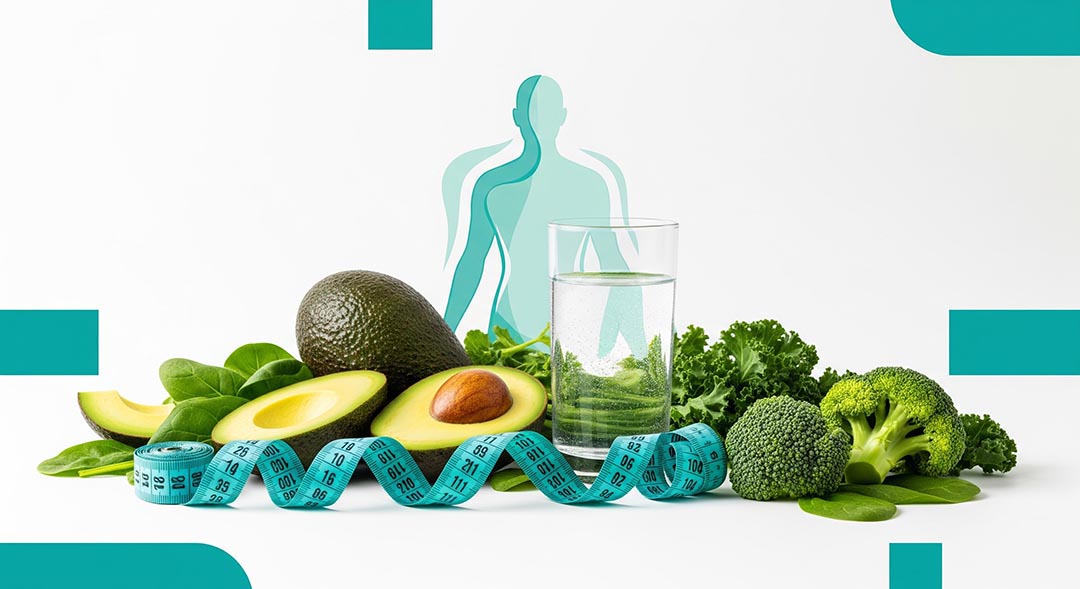
🥗 60% Fibre: Fill your plate with vegetables, sprouts, salad, and fruits. Fibre slows down sugar absorption.

🍗 25% Protein: Vital for muscle maintenance. Include dal, curd, paneer, tofu, eggs, or lean meat.

🥜 15% Healthy fats: Nuts, seeds, and healthy oils for brain and hormone health.

🚶‍♂️ Move Your Body (Daily Rule)
🚶‍♀️ 30–60 minutes walk daily

🏋️ Add some strength training (very important to protect muscles)

😴 Don’t Ignore These Two Fat-Making Enemies
😴 Sleep Deprivation: Sleeping less than 7 hours spikes Ghrelin (the hunger hormone) and lowers Leptin (the fullness hormone), leading to late-night cravings.

Chronic Stress: Stress produces Cortisol. High cortisol levels specifically signal your body to store fat in the abdominal area to protect your organs.

⭐ The 5 Golden Hacks to Reduce Belly Fat
Control Nutrition: Reduce refined carbohydrates and white sugar.

Smart Fasting: Stick to a consistent 14:10 or 16:8 window.

Daily Movement: 30–60 minutes of walking + 2 days of strength training.

Quality Sleep: 7–8 hours of deep, restorative sleep.

Medical Guidance: Address underlying issues like Thyroid or PCOS that might be blocking your progress.

⚠️ Important Reminder
There is no single diet or exercise plan for everyone.

Your height, weight, age, medical problems, and medicines all matter.

🏥 Take the First Step Today A big belly is not a cosmetic problem; it is a medical condition. Reducing it means reducing your risk of life-altering diseases. Every body is different—your age, height, medical history, and current medications all play a role in how you should lose weight. Reducing it means reducing your risk of diabetes, BP, heart disease and cancer.

📞 Call To Action (Clinic Branding)
✅ Get your belly fat, BMI & health risk assessed at KCJ Hospital
✅ Get a safe, scientific & personalized weight-reduction plan
✅ Protect your health before disease starts

Visit KCJ Hospital today and take control of your health.

Your waistline today decides your health tomorrow.