


Whatsapp Message

Book Appointment

Online Consultation

Your Hysterectomy Guide: What Every Woman Should Know

We hear the word hysterectomy (the surgical removal of the uterus) quite often. Many women undergo this procedure to find relief from debilitating conditions like heavy menstrual bleeding, chronic pelvic pain, large uterine fibroids, precancerous conditions, or gynecological cancers.

However, the million-dollar question many patients ask us at KCJ Hospital is: When is a hysterectomy truly necessary?

Let’s break down everything you need to know about the procedure, from common causes like fibroids to modern, minimally invasive recovery.

Fibroids: The Most Common Reason Behind a Hysterectomy

Uterine fibroids are among the most frequent reasons women are advised to undergo a hysterectomy. First, it is important to remember that fibroids are not cancerous—they are simply non-cancerous overgrowths of the muscle layer of the uterus.

Many women discover they have fibroids accidentally during a routine pelvic ultrasound done for a regular check-up, unexpected abdominal pain, or heavy periods. Depending on where they grow, fibroids are categorized into three areas:

  • Inside the uterine cavity (Submucosal): Even when small, these often cause severe, prolonged heavy bleeding. This can quickly lead to anemia (low hemoglobin levels) and requires timely medical attention.
  • Within the wall of the uterus (Intramural): These grow inside the muscular wall and can cause both bleeding and pelvic pressure as they expand.
  • On the outer surface of the uterus (Subserosal): These can remain completely silent for years, growing quite large before you ever notice a symptom.

When Does Fibroid Removal Become Necessary?

Not every fibroid requires surgery. However, as fibroids grow, they can begin to press against neighboring organs, leading to symptoms that significantly disrupt your quality of life:

  • Urinary Bladder Pressure: Leading to frequent urination or an urgent need to go.
  • Ureter Compression: Pressing on the urinary tubes, which can cause dangerous back-pressure on the kidneys.
  • Bowel Pressure: Causing chronic constipation or bloating.
  • Nerve Pressure: Resulting in persistent lower back pain or leg pain.
  • General Discomfort: Visible abdominal enlargement, pelvic heaviness, or constant pain.

When these symptoms become severe or the fibroids grow excessively large, surgical intervention becomes the best path forward.

Is Hysterectomy a Major Surgery?

The short answer is yes, but modern surgical advancements have completely transformed the patient experience. Today, a hysterectomy is significantly less invasive than it used to be. Depending on your specific condition, the surgery can be performed in three ways:

  1. Laparoscopic Hysterectomy (Keyhole Surgery): Performed through tiny incisions using a camera and specialized instruments.
  2. Robotic Hysterectomy: A type of minimally invasive surgery where the surgeon controls robotic arms for extreme precision.
  3. Open Surgery: The traditional method, reserved only for highly complex cases or exceptionally large uteruses.

Laparoscopy vs. Robotic Surgery: Both utilize similar minimally invasive principles. Recovery times, pain scores, and hospital stays are generally comparable. The final choice depends entirely on your specific medical condition, your surgeon’s expertise, and the complexity of the case.

What to Expect During a Laparoscopic Hysterectomy at KCJ Hospital

At KCJ Hospital & Maternity Home in Surat, we prioritize minimally invasive laparoscopic techniques to ensure our patients recover quickly with minimal scarring.

The procedure typically involves one small incision near the navel and two or three additional tiny incisions across the abdomen. Because the trauma to the abdominal muscles is so minor, most of our patients only need to stay in the hospital for 24 to 48 hours.

Frequently Asked Questions About Hysterectomy Surgery

1. Is low hemoglobin a problem before surgery?

Yes. Heavy menstrual bleeding frequently causes anemia. Ideally, your hemoglobin levels should be optimized before heading into the operating room, as low hemoglobin can increase surgical risks and delay your body’s natural healing process.

Depending on how urgent your surgery is, we manage this in two ways:

  • Iron Therapy: Recommended if your symptoms are stable and the surgery can safely wait a few weeks.
  • Blood Transfusion: Necessary if the surgery is urgent or the anemia is severe.

2. Will I feel pain during the surgery?

No. Most hysterectomies are performed under general anesthesia. You will receive highly controlled intravenous medications that ensure you remain completely asleep and entirely pain-free throughout the entire procedure. Modern anesthesia protocols ensure that waking up is smooth and comfortable.

3. What happens immediately after surgery?

Your care team will have you up and moving surprisingly quickly to prevent complications (like blood clots) and speed up bowel recovery:

  • Mobility: Walking usually begins within 12 to 24 hours post-surgery.
  • Catheter Removal: The urinary catheter and bag are removed as soon as you can comfortably move to the restroom.
  • Diet: Clear liquids are started just a few hours after surgery, gradually moving to a soft diet as your digestive system wakes up.

4. Is constipation common after a hysterectomy?

Yes, constipation is a very common temporary side effect. Any surgical procedure triggers a temporary stress response in the body, and reduced physical activity during early recovery can slow down your digestion.

To help your bowels recover smoothly, we recommend drinking plenty of fluids, eating fiber-rich foods, walking early and frequently, and using mild stool softeners if prescribed by your doctor.

A Final Message from KCJ Hospital, Surat

While hysterectomy is one of the most commonly performed gynecological surgeries worldwide, it is never a one-size-fits-all solution. Modern techniques have made the procedure incredibly safe and fast to recover from, but the decision to have surgery must always be personalized.

  • Not every fibroid needs surgery.
  • Not every case of heavy bleeding requires a hysterectomy.

The right treatment path for you depends entirely on your specific symptoms, your age, your future fertility wishes, the severity of the disease, and your overall health.

If you are experiencing heavy bleeding, pelvic pain, or have been diagnosed with uterine fibroids, consult our expert medical team at KCJ Hospital & Maternity Home. We will evaluate your condition thoroughly and help you choose the safest, most effective treatment for your body.
Frequent Use Of I Pill Can Cause Menstrual And Bleeding Irregularities

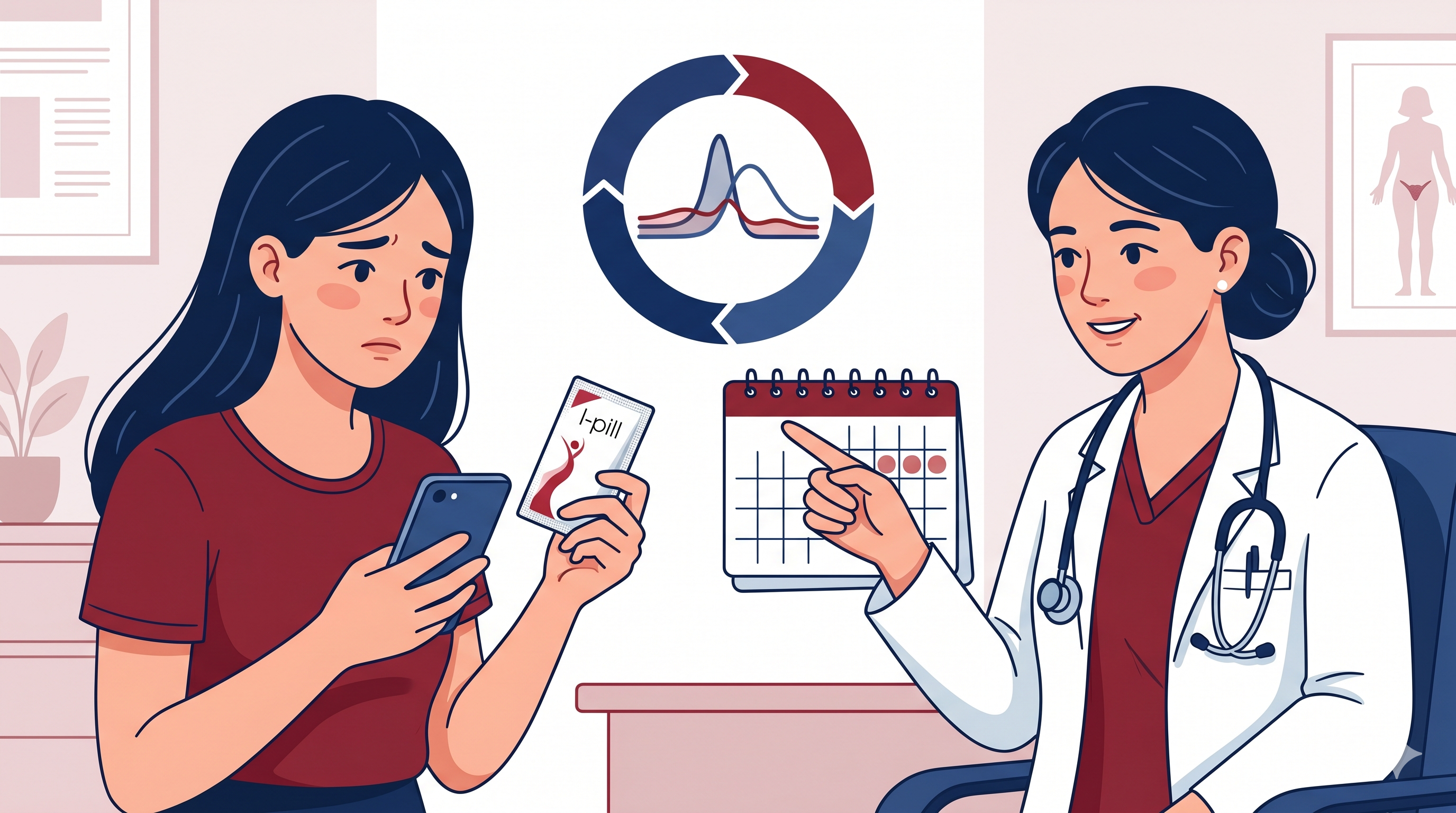
Regular & Frequent Use of I-Pill: Menstrual & Bleeding Irregularities

An emergency contraceptive pill (commonly known as an i-Pill) is a powerful tool designed strictly for unexpected situations—such as a condom slipping, a condom rupturing, cases of sexual assault, or when backup contraception is urgently required.

However, because it contains a highly concentrated dose of synthetic hormones, it is meant only for emergencies. Regular and frequent use of the i-Pill can create massive hormonal chaos, leading to highly irregular periods, severe bleeding disturbances, and unexpected difficulties when you later try to conceive.

Here is exactly what happens to your body when emergency contraception is used too frequently.

What Problems Are Caused by Frequent i-Pill Usage?

Using emergency contraceptive pills frequently introduces a massive rush of artificial hormones into your bloodstream all at once. This repeated shock to your reproductive system can lead to several distinct health complications:

1. Severe Hormonal Disruption

The exceptionally high dose of hormones in an emergency pill temporarily overrides your body’s natural chemistry. This creates a ripple effect across two primary areas:

  • Ovulation Complications: It severely alters your normal ovulation timeline. Over time, this unpredictable shifts your fertile window, making natural conception difficult to track or achieve.
  • Endometrial Lining Damage: It disrupts the natural formation and structural maintenance of your endometrial lining (the inner wall of the uterus). This breakdown is the root cause of breakthrough bleeding and highly erratic cycles.

2. Chaotic Menstrual Irregularities

While a single i-Pill can cause temporary shifts, frequent usage triggers a state of ongoing hormonal chaos. Women often experience:

  • Periods arriving significantly earlier or much later than expected.
  • Unpredictable spotting midway between regular cycles.
  • Menstrual flow that is suddenly much heavier or unusually lighter than their historical norm.

3. Irregular & Unexpected Breakthrough Bleeding

Frequent users often suffer from sudden, random bleeding episodes that bear no relation to their actual menstrual calendar. Because these erratic episodes look exactly like a light period, they can cause immense confusion, tracking difficulties, and severe emotional anxiety.

4. Reduced Reliability & The Risk of Hidden Pregnancies

An i-Pill is not 100% reliable, especially when taken frequently. The massive hormone rush often causes severe nausea or gastric upset. If vomiting occurs, the body suffers from poor absorption of the medication, which can cause the emergency pill to fail completely.

Even worse, due to frequent breakthrough bleeding, many women mistakenly assume they are having a normal period when an unplanned pregnancy is actually continuing silently. Discovering a pregnancy late forces women to undergo abortions at a higher gestational age, which carries significantly higher medical risks.

5. Long-Term Impact on Fertility

Because frequent emergency pill consumption keeps your baseline hormones in constant flux, your ovaries may stop releasing eggs on a predictable schedule. This irregular ovulation pattern poses a major roadblock when you decide to intentionally plan a family.

Why Regular, Low-Dose Contraceptive Pills Are a Better Option

If you require ongoing, reliable protection against unplanned pregnancies, regular low-dose contraceptive pills are a vastly superior and safer alternative.

  • Vastly Lower Hormone Doses: Even when consumed consecutively over a 21-to-24-day cycle, the cumulative hormonal impact is significantly lower than the single, concentrated shock-dose contained in just one i-Pill.
  • Protects Your Cycle: Instead of causing disruption, daily low-dose pills actively stabilize and balance your hormonal system, completely eliminating unpredictable breakthrough bleeding.
  • Supports Future Fertility: By normalizing and regulating your body’s internal hormonal baseline, low-dose contraceptive pills actually increase your overall chances of successful conception shortly after you choose to stop taking them.

PCOS Diagnosis Criteria: Does Weight Gain Mean You Have PCOS?

For many women, a sudden change on the scale leads to a quick search for answers, often resulting in a self-diagnosis of Polycystic Ovary Syndrome. While the two are frequently linked, it is a common medical misconception that obesity and PCOS are the same thing. At KCJ Hospital, we believe that clarity is the first step toward wellness. Understanding the formal PCOS diagnosis criteria is essential to avoid unnecessary stress and ensure you receive the right care for your unique body.

What are the Official PCOS Diagnosis Criteria?

Understanding the PCOS Diagnosis Criteria

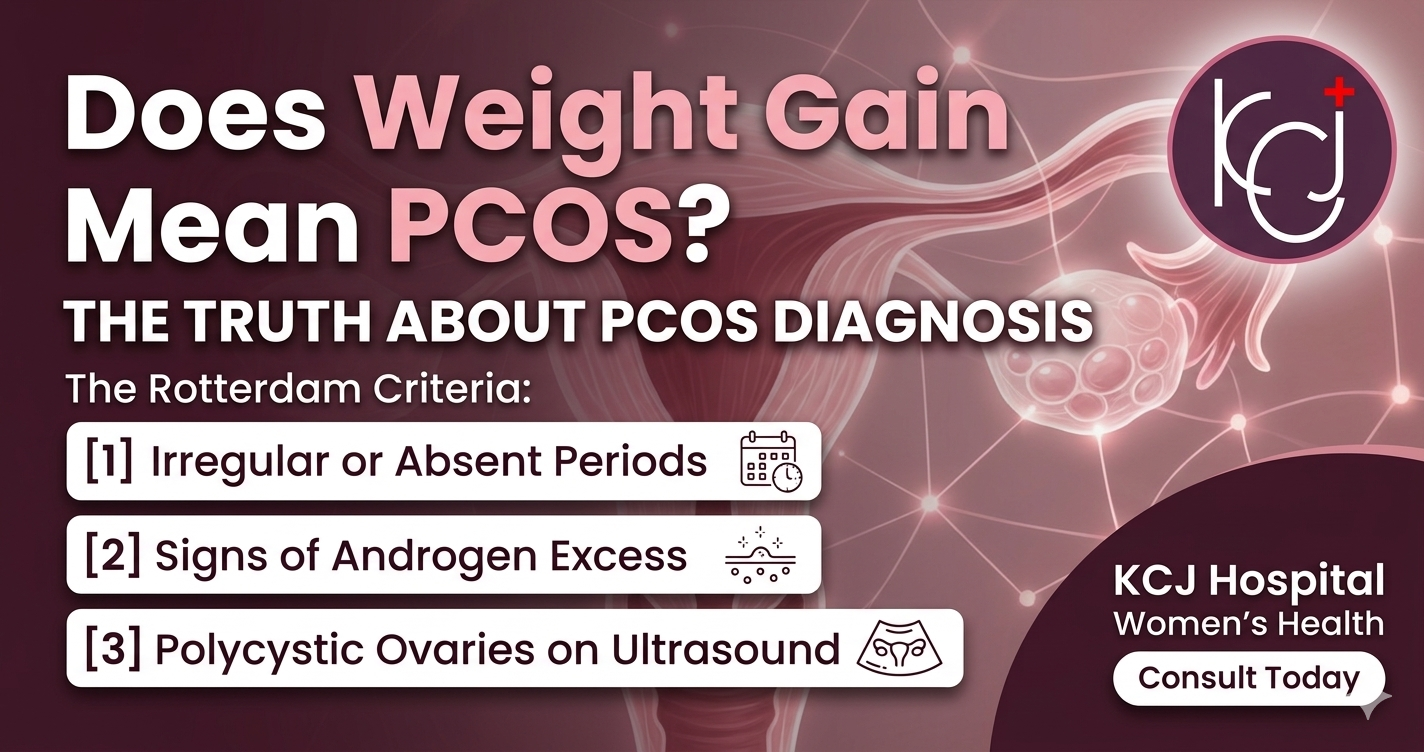
The truth is that weight gain is a symptom, not a definitive marker. To provide an accurate PCOS diagnosis, doctors worldwide rely on a specific medical standard known as the Rotterdam Criteria. By looking beyond the scale and focusing on clinical evidence, we can distinguish between general metabolic changes and true hormonal disorders.The Truth About PCOS Diagnosis Every Woman Should Know :
Weight gain does not always mean PCOS.

Many women today are told they might have PCOS just because they’ve gained weight. This has created confusion, fear and unnecessary stress.
But here’s the truth:

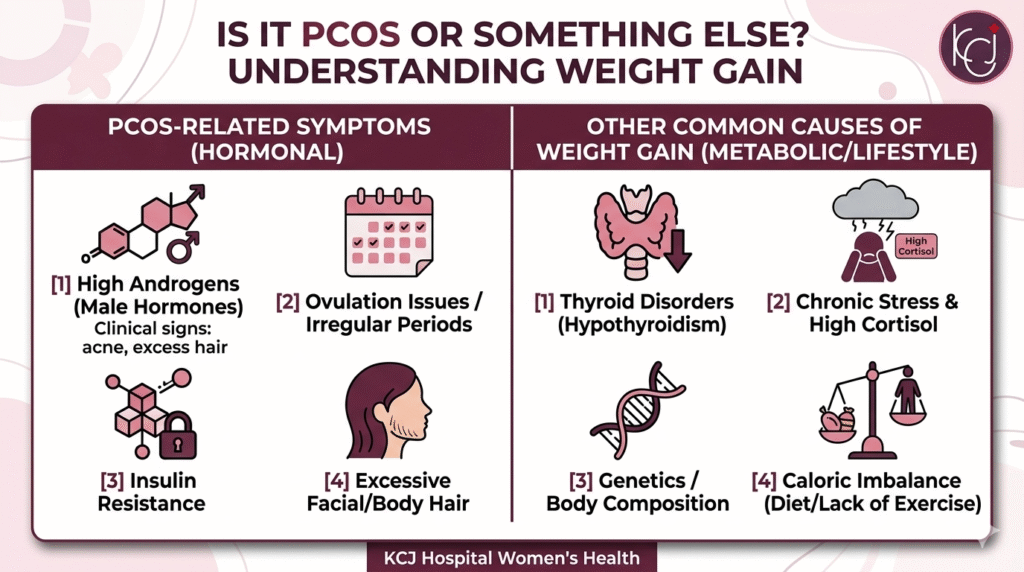
KCJ Hospital: PCOS Diagnosis Criteria weight comparison chart."

Obesity alone does NOT mean you have PCOS.
Polycystic Ovary Syndrome (PCOS) is a clinical condition diagnosed using specific criteria, not just a single symptom or ultrasound finding.
Doctors follow the Rotterdam Criteria, which require any 2 out of 3 features:

  1. Irregular or Absent Periods
    • Infrequent cycles (<8 in a year)
    • Skipped periods
    • Difficulty in ovulation
  2. Signs of Androgen Excess
    • Acne
    • Excess facial or body hair (hirsutism)
    • Hair thinning or female-pattern baldness
  3. Polycystic Ovaries on Ultrasound (PCOM)

Weight gain is NOT included in these criteria.

Why Weight Gain Alone is Misleading
Weight gain can happen due to:
• Lifestyle factors
• Thyroid disorders
• Stress
• Genetics
Not every woman with obesity has PCOS, and not every woman with PCOS is obese.

The Problem of Overdiagnosis
Incorrectly labeling someone with PCOS can lead to:
• ❗ Anxiety and emotional distress
• ❗ Fear about fertility and future health
• ❗ Unnecessary medications and lifestyle restrictions
PCOS has different phenotypes, and lumping all women under one label reduces proper understanding and treatment.

PCOS is not just about periods or weight — it has long-term implications for:
• Metabolic health
• Fertility
• Mental well-being
That’s why timely and correct diagnosis is essential.

Final Takeaway
Don’t assume PCOS because of weight gain
Look at the full clinical picture
Get evaluated using proper criteria
Right diagnosis = Right treatment = Peace of mind