


Whatsapp Message

Book Appointment

Online Consultation

Frequent Use Of I Pill Can Cause Menstrual And Bleeding Irregularities

Regular & Frequent Use of I-Pill: Menstrual & Bleeding Irregularities

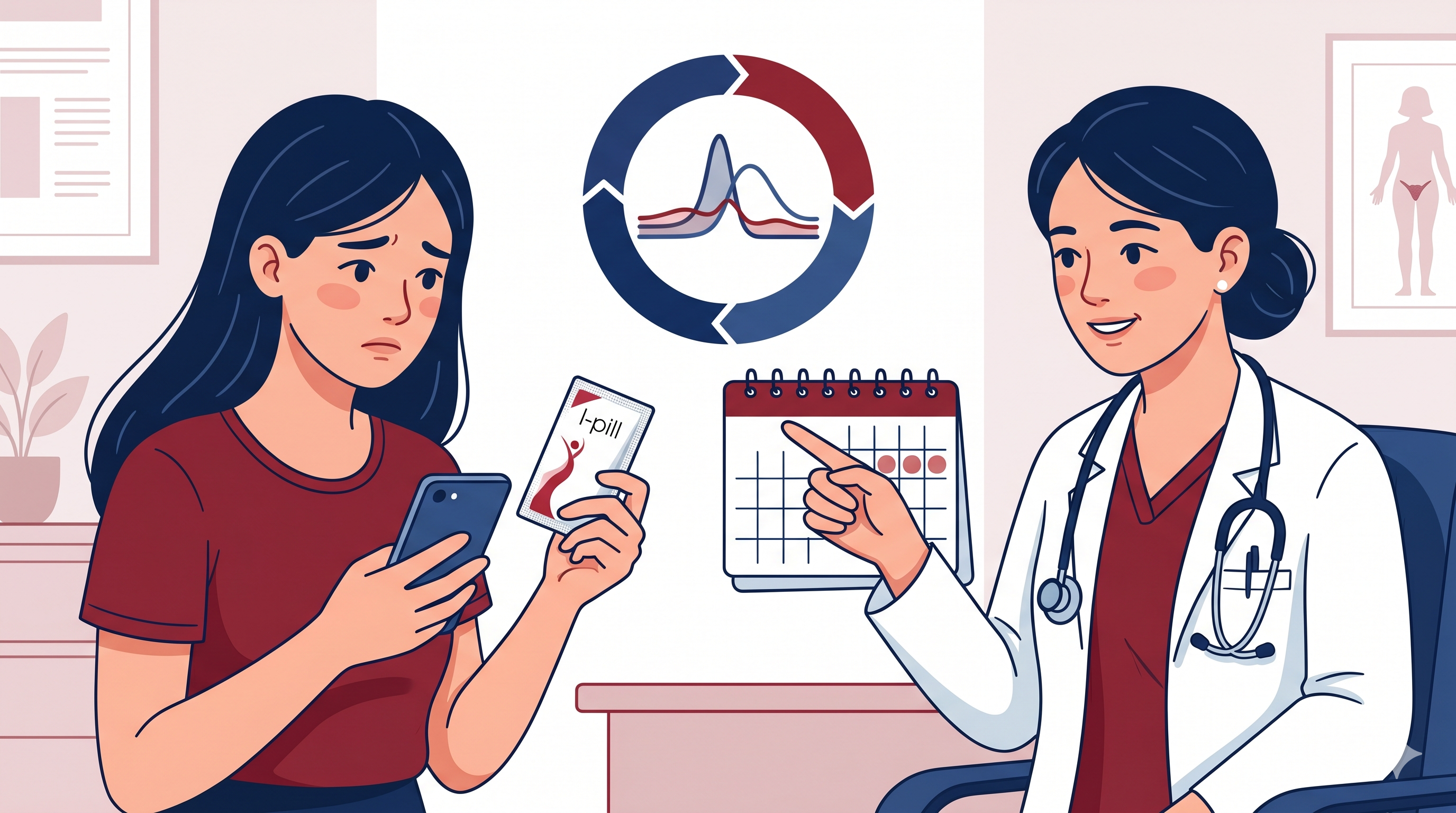
An emergency contraceptive pill (commonly known as an i-Pill) is a powerful tool designed strictly for unexpected situations—such as a condom slipping, a condom rupturing, cases of sexual assault, or when backup contraception is urgently required.

However, because it contains a highly concentrated dose of synthetic hormones, it is meant only for emergencies. Regular and frequent use of the i-Pill can create massive hormonal chaos, leading to highly irregular periods, severe bleeding disturbances, and unexpected difficulties when you later try to conceive.

Here is exactly what happens to your body when emergency contraception is used too frequently.

What Problems Are Caused by Frequent i-Pill Usage?

Using emergency contraceptive pills frequently introduces a massive rush of artificial hormones into your bloodstream all at once. This repeated shock to your reproductive system can lead to several distinct health complications:

1. Severe Hormonal Disruption

The exceptionally high dose of hormones in an emergency pill temporarily overrides your body’s natural chemistry. This creates a ripple effect across two primary areas:

  • Ovulation Complications: It severely alters your normal ovulation timeline. Over time, this unpredictable shifts your fertile window, making natural conception difficult to track or achieve.
  • Endometrial Lining Damage: It disrupts the natural formation and structural maintenance of your endometrial lining (the inner wall of the uterus). This breakdown is the root cause of breakthrough bleeding and highly erratic cycles.

2. Chaotic Menstrual Irregularities

While a single i-Pill can cause temporary shifts, frequent usage triggers a state of ongoing hormonal chaos. Women often experience:

  • Periods arriving significantly earlier or much later than expected.
  • Unpredictable spotting midway between regular cycles.
  • Menstrual flow that is suddenly much heavier or unusually lighter than their historical norm.

3. Irregular & Unexpected Breakthrough Bleeding

Frequent users often suffer from sudden, random bleeding episodes that bear no relation to their actual menstrual calendar. Because these erratic episodes look exactly like a light period, they can cause immense confusion, tracking difficulties, and severe emotional anxiety.

4. Reduced Reliability & The Risk of Hidden Pregnancies

An i-Pill is not 100% reliable, especially when taken frequently. The massive hormone rush often causes severe nausea or gastric upset. If vomiting occurs, the body suffers from poor absorption of the medication, which can cause the emergency pill to fail completely.

Even worse, due to frequent breakthrough bleeding, many women mistakenly assume they are having a normal period when an unplanned pregnancy is actually continuing silently. Discovering a pregnancy late forces women to undergo abortions at a higher gestational age, which carries significantly higher medical risks.

5. Long-Term Impact on Fertility

Because frequent emergency pill consumption keeps your baseline hormones in constant flux, your ovaries may stop releasing eggs on a predictable schedule. This irregular ovulation pattern poses a major roadblock when you decide to intentionally plan a family.

Why Regular, Low-Dose Contraceptive Pills Are a Better Option

If you require ongoing, reliable protection against unplanned pregnancies, regular low-dose contraceptive pills are a vastly superior and safer alternative.

  • Vastly Lower Hormone Doses: Even when consumed consecutively over a 21-to-24-day cycle, the cumulative hormonal impact is significantly lower than the single, concentrated shock-dose contained in just one i-Pill.
  • Protects Your Cycle: Instead of causing disruption, daily low-dose pills actively stabilize and balance your hormonal system, completely eliminating unpredictable breakthrough bleeding.
  • Supports Future Fertility: By normalizing and regulating your body’s internal hormonal baseline, low-dose contraceptive pills actually increase your overall chances of successful conception shortly after you choose to stop taking them.
PCOS Diagnosis Criteria: Does Weight Gain Mean You Have PCOS?

For many women, a sudden change on the scale leads to a quick search for answers, often resulting in a self-diagnosis of Polycystic Ovary Syndrome. While the two are frequently linked, it is a common medical misconception that obesity and PCOS are the same thing. At KCJ Hospital, we believe that clarity is the first step toward wellness. Understanding the formal PCOS diagnosis criteria is essential to avoid unnecessary stress and ensure you receive the right care for your unique body.

What are the Official PCOS Diagnosis Criteria?

Understanding the PCOS Diagnosis Criteria

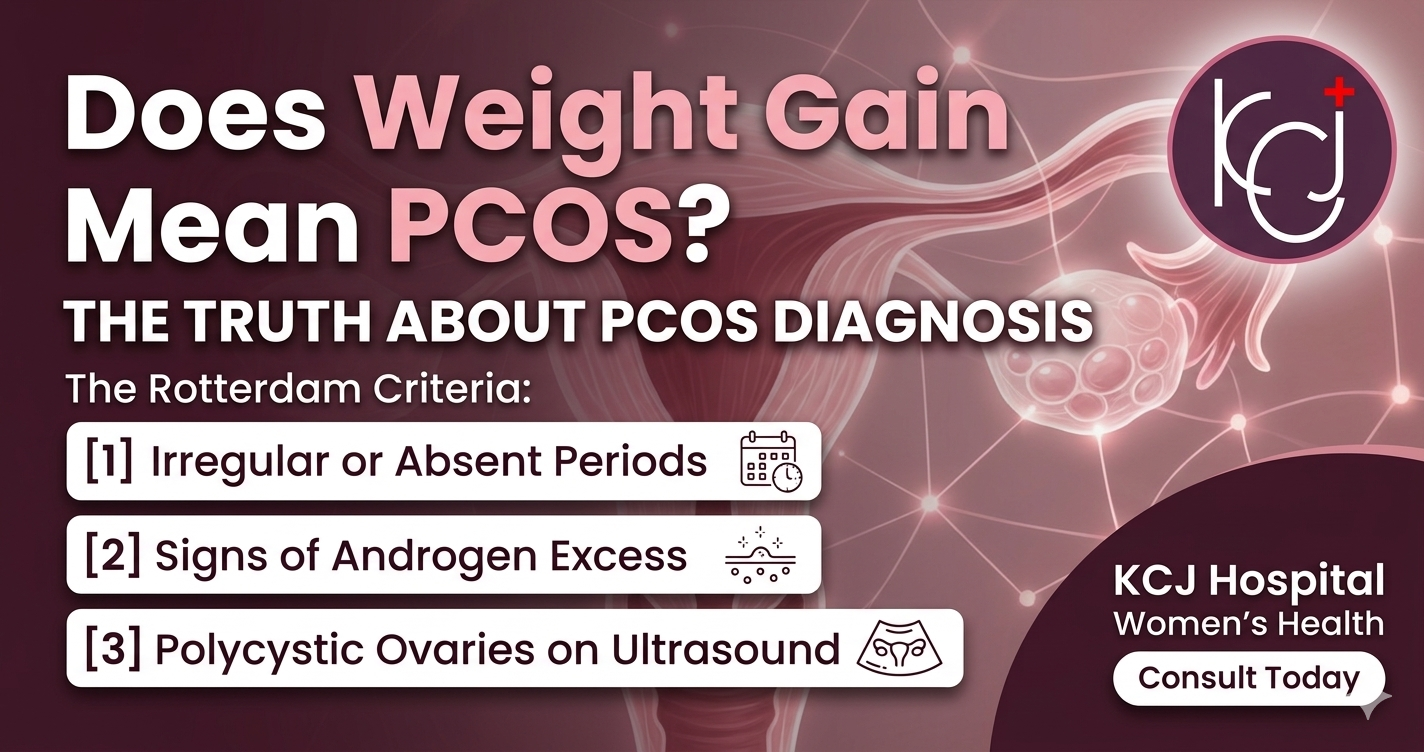
The truth is that weight gain is a symptom, not a definitive marker. To provide an accurate PCOS diagnosis, doctors worldwide rely on a specific medical standard known as the Rotterdam Criteria. By looking beyond the scale and focusing on clinical evidence, we can distinguish between general metabolic changes and true hormonal disorders.The Truth About PCOS Diagnosis Every Woman Should Know :
Weight gain does not always mean PCOS.

Many women today are told they might have PCOS just because they’ve gained weight. This has created confusion, fear and unnecessary stress.
But here’s the truth:

KCJ Hospital: PCOS Diagnosis Criteria weight comparison chart."

Obesity alone does NOT mean you have PCOS.
Polycystic Ovary Syndrome (PCOS) is a clinical condition diagnosed using specific criteria, not just a single symptom or ultrasound finding.
Doctors follow the Rotterdam Criteria, which require any 2 out of 3 features:

  1. Irregular or Absent Periods
    • Infrequent cycles (<8 in a year)
    • Skipped periods
    • Difficulty in ovulation
  2. Signs of Androgen Excess
    • Acne
    • Excess facial or body hair (hirsutism)
    • Hair thinning or female-pattern baldness
  3. Polycystic Ovaries on Ultrasound (PCOM)

Weight gain is NOT included in these criteria.

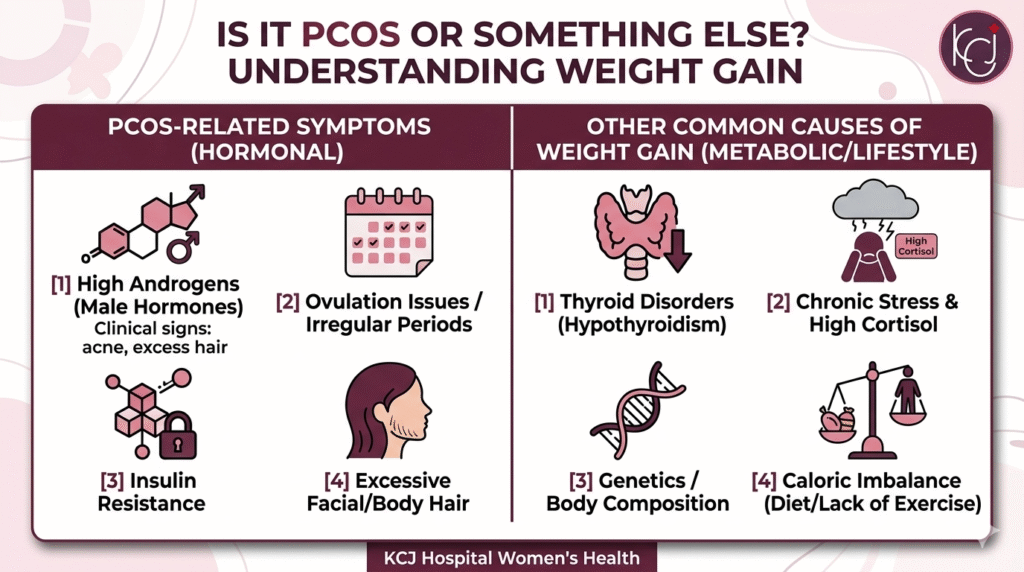
Why Weight Gain Alone is Misleading
Weight gain can happen due to:
• Lifestyle factors
• Thyroid disorders
• Stress
• Genetics
Not every woman with obesity has PCOS, and not every woman with PCOS is obese.

The Problem of Overdiagnosis
Incorrectly labeling someone with PCOS can lead to:
• ❗ Anxiety and emotional distress
• ❗ Fear about fertility and future health
• ❗ Unnecessary medications and lifestyle restrictions
PCOS has different phenotypes, and lumping all women under one label reduces proper understanding and treatment.

PCOS is not just about periods or weight — it has long-term implications for:
• Metabolic health
• Fertility
• Mental well-being
That’s why timely and correct diagnosis is essential.

Final Takeaway
Don’t assume PCOS because of weight gain
Look at the full clinical picture
Get evaluated using proper criteria
Right diagnosis = Right treatment = Peace of mind

Age and Fertility: What Every Woman Should Know About Pregnancy

Understanding the relationship between age and fertility is essential for today’s ambitious, career-oriented woman. Gen Z is focused and rightly so; many women do not want marriage or pregnancy to interrupt their professional growth. To avoid uncertainty, many undergo fertility tests like AMH (Anti-Müllerian Hormone) and Antral Follicle Count (AFC).

However, when these reports come back “normal,” it is often assumed that pregnancy can safely be delayed—that fertility will remain the same for a few more years. This is a common misconception that needs medical clarity.

The Science: Quantity vs. Quality

The most important thing to remember is that numbers don’t tell the whole story.

  • AMH and AFC tell us how many eggs are left (Quantity).
  • Age decides how healthy those eggs are (Quality).

That’s why a 23-year-old woman and a 29-year-old woman with the same AMH and AFC do NOT have the same fertility outcome. The younger woman inherently has higher chances of natural conception, lower chances of miscarriage, and significantly better embryo quality.

Why “Wait and See” Can Be Risky

With increasing age, even if egg numbers look good on reports, egg quality declines silently. This biological decline can lead to:

  1. Unexplained Infertility: Difficulty conceiving despite “normal” reports.
  2. Repeated IVF Failures: Older eggs often struggle to develop into healthy embryos.
  3. Increased Miscarriage Risk: Genetic abnormalities in eggs increase as we age.

Is Egg Freezing the Answer?

Technology is a marvel, but it cannot always defeat biology. Egg freezing is a valuable option in special medical situations—such as before chemotherapy or radiotherapy—where eggs are at risk of sudden damage.

However, for healthy women, freezing eggs is not a simple insurance policy. It is invasive, expensive, and emotionally taxing. Most importantly, it cannot “freeze” egg quality in the same way the human body protects fertility when it is young and healthy.

Fertility FAQs: Understanding Your Reproductive Health

1. Can a high AMH level guarantee pregnancy at age 35? Not necessarily. While a high AMH suggests a good “egg reserve,” it does not account for the genetic quality of those eggs, which naturally declines with age.

2. What is the best age for a healthy pregnancy? Biologically, the late 20s and early 30s offer the highest chances of natural conception and the lowest risk of complications.

3. Does lifestyle affect age and fertility? Yes. While age is the primary factor, habits like smoking, high stress, and poor diet can accelerate the decline of egg quality.

4. Can I rely on my AMH level alone? No. While AMH indicates your egg reserve, it does not reflect the genetic health of the eggs.

5. Is there a specific test to check “egg quality”? Currently, there is no single blood test like AMH that can definitively measure egg quality. Medical professionals use age and fertility statistics as the most reliable indicator of quality, as egg health is primarily determined by biological age.

6. Can lifestyle changes improve my fertility if I am over 30? While you cannot reverse the biological clock, maintaining a healthy BMI, quitting smoking, and reducing alcohol consumption can help optimize your current reproductive health and support better outcomes during pregnancy.

Preventive Reproductive Healthcare

At KCJ Hospital, we believe the message is not “don’t build your career.” The message is: don’t rely only on reports and technology to fight time. To maintain your age and fertility health, it is important to consult with specialists early.

Planning for a “right-age pregnancy” is not social pressure—it is preventive reproductive healthcare. By understanding how age and fertility work together, you can make informed choices that protect your future family goals without sacrificing your professional ambitions.

Belly Fat Is Not Just Fat — It’s a Disease Invitation Card!

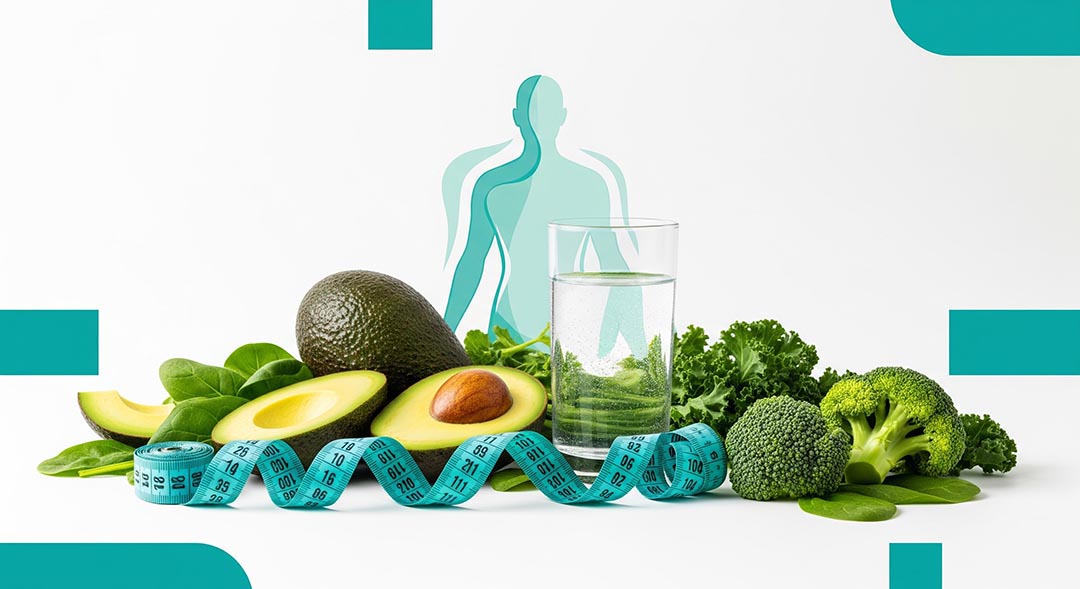
If your fat is mainly around your abdomen (apple-shaped body), it is far more dangerous than fat on hips and thighs.

Understanding how to reduce belly fat can help improve overall health.

Learn effective strategies to reduce belly fat and lead a healthier life.

👉 Abdominal fat is an open invitation to:

High BP

Diabetes (Sugar)

High cholesterol

Heart disease

PCOS & hormonal problems

Fatty liver

And even some cancers

📏 The Simple Rule Everyone Should Know
Your waist should be less than half of your height.

So if your height is 60 inches, your waist should be ≤ 30 inches.
If it is more than this — it is a warning sign and must be taken seriously.

🔥 The Right Way to Reduce Belly Fat (Not Crash Dieting!)
Many people make a big mistake: they starve themselves.

🚫 Crash dieting breaks your muscles, not your fat.
When fasting is too long, the body starts burning muscles to make glucose for the brain.

Smart Intermittent Fasting Works Like This:
14–16 Hours Fasting: The body successfully enters autophagocytosis and burns stored fat for energy. ✅

18+ Hours Regularly: Without medical supervision, this leads to muscle wasting and nutritional deficiencies. ❌ The Goal: True fat loss while preserving muscle to keep your metabolism high.

👉 The goal is fat loss, not muscle loss.

🥗 What You Eat Is More Important Than When You Eat
During your eating window:

✔️ Reduce carbohydrates
✔️ Increase proteins
✔️ Fill your plate with fibre

Ideal Plate Formula:
🥗 60% Fibre: Fill your plate with vegetables, sprouts, salad, and fruits. Fibre slows down sugar absorption.

🍗 25% Protein: Vital for muscle maintenance. Include dal, curd, paneer, tofu, eggs, or lean meat.

🥜 15% Healthy fats: Nuts, seeds, and healthy oils for brain and hormone health.

🚶‍♂️ Move Your Body (Daily Rule)
🚶‍♀️ 30–60 minutes walk daily

🏋️ Add some strength training (very important to protect muscles)

😴 Don’t Ignore These Two Fat-Making Enemies
😴 Sleep Deprivation: Sleeping less than 7 hours spikes Ghrelin (the hunger hormone) and lowers Leptin (the fullness hormone), leading to late-night cravings.

Chronic Stress: Stress produces Cortisol. High cortisol levels specifically signal your body to store fat in the abdominal area to protect your organs.

⭐ The 5 Golden Hacks to Reduce Belly Fat
Control Nutrition: Reduce refined carbohydrates and white sugar.

Smart Fasting: Stick to a consistent 14:10 or 16:8 window.

Daily Movement: 30–60 minutes of walking + 2 days of strength training.

Quality Sleep: 7–8 hours of deep, restorative sleep.

Medical Guidance: Address underlying issues like Thyroid or PCOS that might be blocking your progress.

⚠️ Important Reminder
There is no single diet or exercise plan for everyone.

Your height, weight, age, medical problems, and medicines all matter.

🏥 Take the First Step Today A big belly is not a cosmetic problem; it is a medical condition. Reducing it means reducing your risk of life-altering diseases. Every body is different—your age, height, medical history, and current medications all play a role in how you should lose weight. Reducing it means reducing your risk of diabetes, BP, heart disease and cancer.

📞 Call To Action (Clinic Branding)
✅ Get your belly fat, BMI & health risk assessed at KCJ Hospital
✅ Get a safe, scientific & personalized weight-reduction plan
✅ Protect your health before disease starts

Visit KCJ Hospital today and take control of your health.

Your waistline today decides your health tomorrow.